Month: May 2026

L’espansione globale dei casinò online: tra mito e realtà nei nuovi mercati internazionali

Negli ultimi cinque anni il settore del gioco d’azzardo digitale ha vissuto una vera e propria ondata di internazionalizzazione. Operatori tradizionali e startup tecnologiche hanno iniziato a guardare oltre i confini europei, attratti da economie in rapido sviluppo e da una crescente accettazione normativa del gioco online. In questo contesto, la ricerca di casino online non AAMS è diventata una delle prime tappe per chi vuole capire le differenze tra le offerte locali e quelle provenienti da licenze estere.

Il dibattito è ricco di miti: molti credono che tutti i mercati siano intercambiabili o che una licenza locale garantisca automaticamente il successo commerciale. Altri pensano che basti un prezzo aggressivo o una tecnologia all’avanguardia per superare ogni barriera. Questo articolo smonta queste convinzioni, confrontando la narrativa comune con i dati concreti e le esperienze operative. Analizzeremo le normative, le strategie d’ingresso, le tecnologie di scalabilità, le tattiche di marketing, la gestione del rischio, le metriche di performance e gli scenari futuri, offrendo una panoramica completa per chiunque voglia espandere la propria attività di casinò online a livello globale.

1. Il panorama normativo mondiale

Le legislazioni sul gioco variano enormemente da una regione all’altra. In Europa, le licenze di Malta, Gibilterra e Curacao sono ancora i punti di riferimento più richiesti, ma i paesi dell’Est Europa stanno introducendo regimi più restrittivi, imponendo requisiti di responsabilità sociale più severi. In Asia‑Pacifico, la Cina mantiene un divieto totale, mentre Paesi come le Filippine e il Giappone hanno adottato licenze a livello regionale per le scommesse sportive e i giochi da casinò. L’America Latina vede un mosaico di normative: il Brasile sta liberalizzando, il Messico richiede licenze statali, mentre l’Argentina ha una struttura federale con autorità provinciali. In Africa, le licenze sudafricane e quelle di Mauritius rappresentano gli hub più sviluppati, ma molte nazioni rimangono non regolate.

Mito: “Una singola licenza è sufficiente per operare ovunque”.
Realtà: la maggior parte dei mercati richiede una licenza locale o un’autorizzazione di partnership. Un operatore con licenza di Curacao, per esempio, può offrire servizi in Europa, ma deve comunque rispettare le direttive GDPR e le norme sul gioco responsabile dei singoli stati.

Regione Licenza più comune Requisiti chiave Note di compliance
UE Malta, Gibilterra GDPR, AML, KYC Controlli di RTP e volatilità obbligatori
Asia‑Pacifico Filippine, Giappone Licenza provinciale, limiti di payout Necessità di localizzare contenuti e metodi di pagamento
America Latina Curaçao + licenza locale AML, restrizioni su pubblicità Alcuni stati richiedono partnership con operatori tradizionali
Africa Mauritius, Sudafrica Verifica identità, protezione dati Infrastrutture di rete spesso limitate

Il rispetto di queste regole non è solo una questione legale; influisce direttamente sulla fiducia dei giocatori e sulla capacità di mantenere un RTP (Return to Player) trasparente.

2. Strategie di ingresso nei nuovi mercati

Le modalità di ingresso variano in base al capitale disponibile, alla conoscenza del mercato e alla velocità desiderata. Le joint‑venture con partner locali consentono di sfruttare brand già consolidati e reti di distribuzione. Le acquisition, invece, permettono di accedere immediatamente a una base di utenti attiva, ma richiedono un investimento più consistente. Il modello white‑label è popolare tra gli operatori che vogliono testare un mercato senza impegnarsi in una licenza completa; fornisce una piattaforma pronta all’uso, personalizzabile con il proprio marchio.

Mito: “Il prezzo più basso garantisce la conquista del mercato”.
Realtà: i giocatori premium cercano affidabilità, bonus equi e un’assistenza clienti locale. Un’offerta “pay‑to‑play” con bonus di benvenuto del 200 % può attirare traffico, ma se il supporto è solo in inglese e i metodi di pagamento sono limitati, il churn (tasso di abbandono) sarà elevato.

2.1 Partnership con operatori tradizionali

Le alleanze con casinò fisici consentono di integrare l’esperienza di gioco dal vivo con quella digitale. Un esempio è la collaborazione tra un operatore di Malta e una catena di casinò in Brasile: le sale fisiche offrono i tavoli di roulette, mentre la piattaforma online propone slot a tema locale, creando sinergie di cross‑selling.

2.2 Adattamento dell’esperienza utente (UX)

  • Localizzazione linguistica: tradurre non solo i testi, ma anche i termini di gioco (es. “scatter” diventa “simbolo scatter” in spagnolo).
  • Metodi di pagamento regionali: in Indonesia, i giocatori preferiscono portafogli digitali come OVO e DANA, mentre in Messico le carte di credito locali e i bonifici bancari sono più diffusi.
  • Design culturalmente sensibile: utilizzare colori e simboli che rispettino le credenze locali; ad esempio, evitare il rosso in Cina per le slot a tema “fortuna” quando il contesto è legato a superstizioni negative.

3. Il ruolo della tecnologia nella scalabilità

Le infrastrutture cloud sono diventate la spina dorsale dei casinò online che mirano a una crescita rapida. Piattaforme modulari consentono di aggiungere nuovi giochi, sistemi di pagamento e moduli di compliance senza interrompere il servizio. L’intelligenza artificiale, in particolare, permette di personalizzare le offerte in base al comportamento di gioco: un algoritmo può suggerire slot con alta volatilità a chi ha una propensione al rischio, aumentando il valore medio della puntata (ARPU).

Mito: “La tecnologia avanzata elimina ogni barriera di ingresso”.
Realtà: la latenza è un problema critico nei mercati asiatici dove la connessione al server europeo può superare i 150 ms, influenzando negativamente l’esperienza di gioco in tempo reale. Inoltre, le normative sui dati (come il GDPR in Europa e il PDPA in Singapore) impongono costi di integrazione e audit continui.

4. Marketing e acquisizione clienti a livello globale

Le campagne di acquisizione devono adattarsi ai canali preferiti da ciascuna regione. In Europa, gli affiliati SEO rimangono il motore principale, mentre in Sud‑America i social media (Facebook, Instagram) e le piattaforme di streaming (Twitch) sono più efficaci. Negli Stati Uniti, la pubblicità programmatica e le partnership con siti di sport betting generano la maggior parte dei lead qualificati.

Mito: “Una campagna globale produce gli stessi risultati ovunque”.
Realtà: la normativa pubblicitaria varia: in Germania è vietato l’uso di bonus “senza deposito” nei banner, mentre in Messico è consentito ma deve includere avvisi di gioco responsabile.

4.1 Influencer e content creator locali

  • Caso studio Sud‑America: un influencer argentino con 1,2 milioni di follower ha lanciato una serie di video “Live Slot Challenge”. La campagna ha generato 350 000 nuovi account in tre settimane, con un CAC (Costo di Acquisizione Cliente) del 12 €.

4.2 Programmi di loyalty e gamification

  • Badge di livello: i giocatori guadagnano distintivi per ogni 100 € di turnover, sbloccando giri gratuiti su slot a tema “Carnaval”.
  • Tornei settimanali: in India, i tornei di roulette con jackpot progressivo hanno aumentato il tempo medio di sessione del 18 %.

5. Gestione del rischio e responsabilità sociale

Le misure anti‑fraud, AML (Anti‑Money Laundering) e KYC (Know Your Customer) differiscono notevolmente. In Europa, le autorità richiedono verifiche biometriche e controlli su liste di sanzioni internazionali. In Asia‑Pacifico, alcune giurisdizioni richiedono solo la verifica dell’identità tramite documento d’identità nazionale, ma impongono limiti di deposito giornalieri più bassi.

Mito: “I controlli di sicurezza sono universali”.
Realtà: gli standard di sicurezza dipendono dal livello di rischio percepito dal regolatore locale. In Sud‑Africa, ad esempio, gli operatori devono implementare sistemi di monitoraggio delle transazioni in tempo reale per rilevare pattern di gioco compulsivo, mentre in Brasile il focus è sulla tracciabilità delle fonti di finanziamento.

6. Performance economica e metriche di successo

Per valutare l’efficacia di un’espansione, gli operatori si affidano a KPI specifici:

  • ARPU (Average Revenue Per User): in mercati maturi come il Regno Unito è intorno a 120 €, mentre in nuovi mercati latinoamericani si aggira sui 45 €.
  • CAC (Customer Acquisition Cost): varia da 8 € in filtri di affiliazione europei a 15 € in campagne influencer sudamericane.
  • Churn rate: i giocatori dei casinò asiatici tendono a rimanere attivi più a lungo grazie a bonus ricorrenti settimanali, con un churn medio del 22 % rispetto al 35 % in Europa.
  • LTV (Lifetime Value): il valore a lungo termine è più alto nei mercati dove la regolamentazione incentiva programmi di loyalty personalizzati.

Mito: “Il fatturato immediato è l’indicatore definitivo”.
Realtà: la crescita sostenibile si basa su una quota di mercato stabile e su un tempo di maturazione di almeno 12‑18 mesi. Un picco di fatturato iniziale può nascondere un alto tasso di abbandono, riducendo il LTV complessivo.

7. Futuri scenari di espansione e trend emergenti

Alcuni paesi stanno attraversando una fase di liberalizzazione. L’India ha approvato una bozza di legge che consentirà le scommesse online su sport e giochi da casinò, ma solo in stati che adotteranno una normativa di protezione dei giocatori. Negli USA, la frammentazione “state‑by‑state” continua: New Jersey e Pennsylvania hanno mercati saturi, mentre stati come il Tennessee stanno aprendo le porte a nuove licenze.

Le tecnologie emergenti stanno creando nuove opportunità. La blockchain può garantire trasparenza sui payout, mentre il metaverso permette di creare sale da gioco virtuali con esperienze immersive, dove i giocatori possono interagire con dealer avatar in tempo reale.

Mito: “Il futuro è già definito”.
Realtà: le incertezze normative (es. possibili restrizioni sulla pubblicità di bonus) e l’evoluzione delle preferenze (gli utenti giovani preferiscono esperienze mobile‑first) rendono difficile prevedere un percorso lineare. Gli operatori devono mantenere una strategia flessibile, pronta a modificare i prodotti e i canali di distribuzione in risposta a cambiamenti improvvisi.

Conclusione

Abbiamo confrontato i principali miti – licenze uniche, prezzo basso, tecnologia onnipotente, campagne uniformi – con la realtà operativa dei casinò online che si avventurano nei nuovi mercati internazionali. La verità è che il successo dipende da una combinazione di compliance locale, partnership strategiche, personalizzazione dell’esperienza utente e gestione oculata del rischio.

Per gli operatori che desiderano espandersi, è fondamentale basare le decisioni su dati concreti, analizzare le normative specifiche di ogni giurisdizione e investire in brand trust locale. Strumenti come Melloddy possono servire da punto di partenza per esplorare le offerte di nuovi casino non AAMS e confrontare le opzioni di casino online esteri senza affidarsi a supposizioni. Una pianificazione critica, supportata da metriche solide e da un approccio culturale sensibile, è la chiave per trasformare le opportunità globali in risultati sostenibili.

L’espansione globale dei casinò online: tra mito e realtà nei nuovi mercati internazionali

Negli ultimi cinque anni il settore del gioco d’azzardo digitale ha vissuto una vera e propria ondata di internazionalizzazione. Operatori tradizionali e startup tecnologiche hanno iniziato a guardare oltre i confini europei, attratti da economie in rapido sviluppo e da una crescente accettazione normativa del gioco online. In questo contesto, la ricerca di casino online non AAMS è diventata una delle prime tappe per chi vuole capire le differenze tra le offerte locali e quelle provenienti da licenze estere.

Il dibattito è ricco di miti: molti credono che tutti i mercati siano intercambiabili o che una licenza locale garantisca automaticamente il successo commerciale. Altri pensano che basti un prezzo aggressivo o una tecnologia all’avanguardia per superare ogni barriera. Questo articolo smonta queste convinzioni, confrontando la narrativa comune con i dati concreti e le esperienze operative. Analizzeremo le normative, le strategie d’ingresso, le tecnologie di scalabilità, le tattiche di marketing, la gestione del rischio, le metriche di performance e gli scenari futuri, offrendo una panoramica completa per chiunque voglia espandere la propria attività di casinò online a livello globale.

1. Il panorama normativo mondiale

Le legislazioni sul gioco variano enormemente da una regione all’altra. In Europa, le licenze di Malta, Gibilterra e Curacao sono ancora i punti di riferimento più richiesti, ma i paesi dell’Est Europa stanno introducendo regimi più restrittivi, imponendo requisiti di responsabilità sociale più severi. In Asia‑Pacifico, la Cina mantiene un divieto totale, mentre Paesi come le Filippine e il Giappone hanno adottato licenze a livello regionale per le scommesse sportive e i giochi da casinò. L’America Latina vede un mosaico di normative: il Brasile sta liberalizzando, il Messico richiede licenze statali, mentre l’Argentina ha una struttura federale con autorità provinciali. In Africa, le licenze sudafricane e quelle di Mauritius rappresentano gli hub più sviluppati, ma molte nazioni rimangono non regolate.

Mito: “Una singola licenza è sufficiente per operare ovunque”.
Realtà: la maggior parte dei mercati richiede una licenza locale o un’autorizzazione di partnership. Un operatore con licenza di Curacao, per esempio, può offrire servizi in Europa, ma deve comunque rispettare le direttive GDPR e le norme sul gioco responsabile dei singoli stati.

Regione Licenza più comune Requisiti chiave Note di compliance
UE Malta, Gibilterra GDPR, AML, KYC Controlli di RTP e volatilità obbligatori
Asia‑Pacifico Filippine, Giappone Licenza provinciale, limiti di payout Necessità di localizzare contenuti e metodi di pagamento
America Latina Curaçao + licenza locale AML, restrizioni su pubblicità Alcuni stati richiedono partnership con operatori tradizionali
Africa Mauritius, Sudafrica Verifica identità, protezione dati Infrastrutture di rete spesso limitate

Il rispetto di queste regole non è solo una questione legale; influisce direttamente sulla fiducia dei giocatori e sulla capacità di mantenere un RTP (Return to Player) trasparente.

2. Strategie di ingresso nei nuovi mercati

Le modalità di ingresso variano in base al capitale disponibile, alla conoscenza del mercato e alla velocità desiderata. Le joint‑venture con partner locali consentono di sfruttare brand già consolidati e reti di distribuzione. Le acquisition, invece, permettono di accedere immediatamente a una base di utenti attiva, ma richiedono un investimento più consistente. Il modello white‑label è popolare tra gli operatori che vogliono testare un mercato senza impegnarsi in una licenza completa; fornisce una piattaforma pronta all’uso, personalizzabile con il proprio marchio.

Mito: “Il prezzo più basso garantisce la conquista del mercato”.
Realtà: i giocatori premium cercano affidabilità, bonus equi e un’assistenza clienti locale. Un’offerta “pay‑to‑play” con bonus di benvenuto del 200 % può attirare traffico, ma se il supporto è solo in inglese e i metodi di pagamento sono limitati, il churn (tasso di abbandono) sarà elevato.

2.1 Partnership con operatori tradizionali

Le alleanze con casinò fisici consentono di integrare l’esperienza di gioco dal vivo con quella digitale. Un esempio è la collaborazione tra un operatore di Malta e una catena di casinò in Brasile: le sale fisiche offrono i tavoli di roulette, mentre la piattaforma online propone slot a tema locale, creando sinergie di cross‑selling.

2.2 Adattamento dell’esperienza utente (UX)

  • Localizzazione linguistica: tradurre non solo i testi, ma anche i termini di gioco (es. “scatter” diventa “simbolo scatter” in spagnolo).
  • Metodi di pagamento regionali: in Indonesia, i giocatori preferiscono portafogli digitali come OVO e DANA, mentre in Messico le carte di credito locali e i bonifici bancari sono più diffusi.
  • Design culturalmente sensibile: utilizzare colori e simboli che rispettino le credenze locali; ad esempio, evitare il rosso in Cina per le slot a tema “fortuna” quando il contesto è legato a superstizioni negative.

3. Il ruolo della tecnologia nella scalabilità

Le infrastrutture cloud sono diventate la spina dorsale dei casinò online che mirano a una crescita rapida. Piattaforme modulari consentono di aggiungere nuovi giochi, sistemi di pagamento e moduli di compliance senza interrompere il servizio. L’intelligenza artificiale, in particolare, permette di personalizzare le offerte in base al comportamento di gioco: un algoritmo può suggerire slot con alta volatilità a chi ha una propensione al rischio, aumentando il valore medio della puntata (ARPU).

Mito: “La tecnologia avanzata elimina ogni barriera di ingresso”.
Realtà: la latenza è un problema critico nei mercati asiatici dove la connessione al server europeo può superare i 150 ms, influenzando negativamente l’esperienza di gioco in tempo reale. Inoltre, le normative sui dati (come il GDPR in Europa e il PDPA in Singapore) impongono costi di integrazione e audit continui.

4. Marketing e acquisizione clienti a livello globale

Le campagne di acquisizione devono adattarsi ai canali preferiti da ciascuna regione. In Europa, gli affiliati SEO rimangono il motore principale, mentre in Sud‑America i social media (Facebook, Instagram) e le piattaforme di streaming (Twitch) sono più efficaci. Negli Stati Uniti, la pubblicità programmatica e le partnership con siti di sport betting generano la maggior parte dei lead qualificati.

Mito: “Una campagna globale produce gli stessi risultati ovunque”.
Realtà: la normativa pubblicitaria varia: in Germania è vietato l’uso di bonus “senza deposito” nei banner, mentre in Messico è consentito ma deve includere avvisi di gioco responsabile.

4.1 Influencer e content creator locali

  • Caso studio Sud‑America: un influencer argentino con 1,2 milioni di follower ha lanciato una serie di video “Live Slot Challenge”. La campagna ha generato 350 000 nuovi account in tre settimane, con un CAC (Costo di Acquisizione Cliente) del 12 €.

4.2 Programmi di loyalty e gamification

  • Badge di livello: i giocatori guadagnano distintivi per ogni 100 € di turnover, sbloccando giri gratuiti su slot a tema “Carnaval”.
  • Tornei settimanali: in India, i tornei di roulette con jackpot progressivo hanno aumentato il tempo medio di sessione del 18 %.

5. Gestione del rischio e responsabilità sociale

Le misure anti‑fraud, AML (Anti‑Money Laundering) e KYC (Know Your Customer) differiscono notevolmente. In Europa, le autorità richiedono verifiche biometriche e controlli su liste di sanzioni internazionali. In Asia‑Pacifico, alcune giurisdizioni richiedono solo la verifica dell’identità tramite documento d’identità nazionale, ma impongono limiti di deposito giornalieri più bassi.

Mito: “I controlli di sicurezza sono universali”.
Realtà: gli standard di sicurezza dipendono dal livello di rischio percepito dal regolatore locale. In Sud‑Africa, ad esempio, gli operatori devono implementare sistemi di monitoraggio delle transazioni in tempo reale per rilevare pattern di gioco compulsivo, mentre in Brasile il focus è sulla tracciabilità delle fonti di finanziamento.

6. Performance economica e metriche di successo

Per valutare l’efficacia di un’espansione, gli operatori si affidano a KPI specifici:

  • ARPU (Average Revenue Per User): in mercati maturi come il Regno Unito è intorno a 120 €, mentre in nuovi mercati latinoamericani si aggira sui 45 €.
  • CAC (Customer Acquisition Cost): varia da 8 € in filtri di affiliazione europei a 15 € in campagne influencer sudamericane.
  • Churn rate: i giocatori dei casinò asiatici tendono a rimanere attivi più a lungo grazie a bonus ricorrenti settimanali, con un churn medio del 22 % rispetto al 35 % in Europa.
  • LTV (Lifetime Value): il valore a lungo termine è più alto nei mercati dove la regolamentazione incentiva programmi di loyalty personalizzati.

Mito: “Il fatturato immediato è l’indicatore definitivo”.
Realtà: la crescita sostenibile si basa su una quota di mercato stabile e su un tempo di maturazione di almeno 12‑18 mesi. Un picco di fatturato iniziale può nascondere un alto tasso di abbandono, riducendo il LTV complessivo.

7. Futuri scenari di espansione e trend emergenti

Alcuni paesi stanno attraversando una fase di liberalizzazione. L’India ha approvato una bozza di legge che consentirà le scommesse online su sport e giochi da casinò, ma solo in stati che adotteranno una normativa di protezione dei giocatori. Negli USA, la frammentazione “state‑by‑state” continua: New Jersey e Pennsylvania hanno mercati saturi, mentre stati come il Tennessee stanno aprendo le porte a nuove licenze.

Le tecnologie emergenti stanno creando nuove opportunità. La blockchain può garantire trasparenza sui payout, mentre il metaverso permette di creare sale da gioco virtuali con esperienze immersive, dove i giocatori possono interagire con dealer avatar in tempo reale.

Mito: “Il futuro è già definito”.
Realtà: le incertezze normative (es. possibili restrizioni sulla pubblicità di bonus) e l’evoluzione delle preferenze (gli utenti giovani preferiscono esperienze mobile‑first) rendono difficile prevedere un percorso lineare. Gli operatori devono mantenere una strategia flessibile, pronta a modificare i prodotti e i canali di distribuzione in risposta a cambiamenti improvvisi.

Conclusione

Abbiamo confrontato i principali miti – licenze uniche, prezzo basso, tecnologia onnipotente, campagne uniformi – con la realtà operativa dei casinò online che si avventurano nei nuovi mercati internazionali. La verità è che il successo dipende da una combinazione di compliance locale, partnership strategiche, personalizzazione dell’esperienza utente e gestione oculata del rischio.

Per gli operatori che desiderano espandersi, è fondamentale basare le decisioni su dati concreti, analizzare le normative specifiche di ogni giurisdizione e investire in brand trust locale. Strumenti come Melloddy possono servire da punto di partenza per esplorare le offerte di nuovi casino non AAMS e confrontare le opzioni di casino online esteri senza affidarsi a supposizioni. Una pianificazione critica, supportata da metriche solide e da un approccio culturale sensibile, è la chiave per trasformare le opportunità globali in risultati sostenibili.

L’espansione globale dei casinò online: tra mito e realtà nei nuovi mercati internazionali

Negli ultimi cinque anni il settore del gioco d’azzardo digitale ha vissuto una vera e propria ondata di internazionalizzazione. Operatori tradizionali e startup tecnologiche hanno iniziato a guardare oltre i confini europei, attratti da economie in rapido sviluppo e da una crescente accettazione normativa del gioco online. In questo contesto, la ricerca di casino online non AAMS è diventata una delle prime tappe per chi vuole capire le differenze tra le offerte locali e quelle provenienti da licenze estere.

Il dibattito è ricco di miti: molti credono che tutti i mercati siano intercambiabili o che una licenza locale garantisca automaticamente il successo commerciale. Altri pensano che basti un prezzo aggressivo o una tecnologia all’avanguardia per superare ogni barriera. Questo articolo smonta queste convinzioni, confrontando la narrativa comune con i dati concreti e le esperienze operative. Analizzeremo le normative, le strategie d’ingresso, le tecnologie di scalabilità, le tattiche di marketing, la gestione del rischio, le metriche di performance e gli scenari futuri, offrendo una panoramica completa per chiunque voglia espandere la propria attività di casinò online a livello globale.

1. Il panorama normativo mondiale

Le legislazioni sul gioco variano enormemente da una regione all’altra. In Europa, le licenze di Malta, Gibilterra e Curacao sono ancora i punti di riferimento più richiesti, ma i paesi dell’Est Europa stanno introducendo regimi più restrittivi, imponendo requisiti di responsabilità sociale più severi. In Asia‑Pacifico, la Cina mantiene un divieto totale, mentre Paesi come le Filippine e il Giappone hanno adottato licenze a livello regionale per le scommesse sportive e i giochi da casinò. L’America Latina vede un mosaico di normative: il Brasile sta liberalizzando, il Messico richiede licenze statali, mentre l’Argentina ha una struttura federale con autorità provinciali. In Africa, le licenze sudafricane e quelle di Mauritius rappresentano gli hub più sviluppati, ma molte nazioni rimangono non regolate.

Mito: “Una singola licenza è sufficiente per operare ovunque”.
Realtà: la maggior parte dei mercati richiede una licenza locale o un’autorizzazione di partnership. Un operatore con licenza di Curacao, per esempio, può offrire servizi in Europa, ma deve comunque rispettare le direttive GDPR e le norme sul gioco responsabile dei singoli stati.

Regione Licenza più comune Requisiti chiave Note di compliance
UE Malta, Gibilterra GDPR, AML, KYC Controlli di RTP e volatilità obbligatori
Asia‑Pacifico Filippine, Giappone Licenza provinciale, limiti di payout Necessità di localizzare contenuti e metodi di pagamento
America Latina Curaçao + licenza locale AML, restrizioni su pubblicità Alcuni stati richiedono partnership con operatori tradizionali
Africa Mauritius, Sudafrica Verifica identità, protezione dati Infrastrutture di rete spesso limitate

Il rispetto di queste regole non è solo una questione legale; influisce direttamente sulla fiducia dei giocatori e sulla capacità di mantenere un RTP (Return to Player) trasparente.

2. Strategie di ingresso nei nuovi mercati

Le modalità di ingresso variano in base al capitale disponibile, alla conoscenza del mercato e alla velocità desiderata. Le joint‑venture con partner locali consentono di sfruttare brand già consolidati e reti di distribuzione. Le acquisition, invece, permettono di accedere immediatamente a una base di utenti attiva, ma richiedono un investimento più consistente. Il modello white‑label è popolare tra gli operatori che vogliono testare un mercato senza impegnarsi in una licenza completa; fornisce una piattaforma pronta all’uso, personalizzabile con il proprio marchio.

Mito: “Il prezzo più basso garantisce la conquista del mercato”.
Realtà: i giocatori premium cercano affidabilità, bonus equi e un’assistenza clienti locale. Un’offerta “pay‑to‑play” con bonus di benvenuto del 200 % può attirare traffico, ma se il supporto è solo in inglese e i metodi di pagamento sono limitati, il churn (tasso di abbandono) sarà elevato.

2.1 Partnership con operatori tradizionali

Le alleanze con casinò fisici consentono di integrare l’esperienza di gioco dal vivo con quella digitale. Un esempio è la collaborazione tra un operatore di Malta e una catena di casinò in Brasile: le sale fisiche offrono i tavoli di roulette, mentre la piattaforma online propone slot a tema locale, creando sinergie di cross‑selling.

2.2 Adattamento dell’esperienza utente (UX)

  • Localizzazione linguistica: tradurre non solo i testi, ma anche i termini di gioco (es. “scatter” diventa “simbolo scatter” in spagnolo).
  • Metodi di pagamento regionali: in Indonesia, i giocatori preferiscono portafogli digitali come OVO e DANA, mentre in Messico le carte di credito locali e i bonifici bancari sono più diffusi.
  • Design culturalmente sensibile: utilizzare colori e simboli che rispettino le credenze locali; ad esempio, evitare il rosso in Cina per le slot a tema “fortuna” quando il contesto è legato a superstizioni negative.

3. Il ruolo della tecnologia nella scalabilità

Le infrastrutture cloud sono diventate la spina dorsale dei casinò online che mirano a una crescita rapida. Piattaforme modulari consentono di aggiungere nuovi giochi, sistemi di pagamento e moduli di compliance senza interrompere il servizio. L’intelligenza artificiale, in particolare, permette di personalizzare le offerte in base al comportamento di gioco: un algoritmo può suggerire slot con alta volatilità a chi ha una propensione al rischio, aumentando il valore medio della puntata (ARPU).

Mito: “La tecnologia avanzata elimina ogni barriera di ingresso”.
Realtà: la latenza è un problema critico nei mercati asiatici dove la connessione al server europeo può superare i 150 ms, influenzando negativamente l’esperienza di gioco in tempo reale. Inoltre, le normative sui dati (come il GDPR in Europa e il PDPA in Singapore) impongono costi di integrazione e audit continui.

4. Marketing e acquisizione clienti a livello globale

Le campagne di acquisizione devono adattarsi ai canali preferiti da ciascuna regione. In Europa, gli affiliati SEO rimangono il motore principale, mentre in Sud‑America i social media (Facebook, Instagram) e le piattaforme di streaming (Twitch) sono più efficaci. Negli Stati Uniti, la pubblicità programmatica e le partnership con siti di sport betting generano la maggior parte dei lead qualificati.

Mito: “Una campagna globale produce gli stessi risultati ovunque”.
Realtà: la normativa pubblicitaria varia: in Germania è vietato l’uso di bonus “senza deposito” nei banner, mentre in Messico è consentito ma deve includere avvisi di gioco responsabile.

4.1 Influencer e content creator locali

  • Caso studio Sud‑America: un influencer argentino con 1,2 milioni di follower ha lanciato una serie di video “Live Slot Challenge”. La campagna ha generato 350 000 nuovi account in tre settimane, con un CAC (Costo di Acquisizione Cliente) del 12 €.

4.2 Programmi di loyalty e gamification

  • Badge di livello: i giocatori guadagnano distintivi per ogni 100 € di turnover, sbloccando giri gratuiti su slot a tema “Carnaval”.
  • Tornei settimanali: in India, i tornei di roulette con jackpot progressivo hanno aumentato il tempo medio di sessione del 18 %.

5. Gestione del rischio e responsabilità sociale

Le misure anti‑fraud, AML (Anti‑Money Laundering) e KYC (Know Your Customer) differiscono notevolmente. In Europa, le autorità richiedono verifiche biometriche e controlli su liste di sanzioni internazionali. In Asia‑Pacifico, alcune giurisdizioni richiedono solo la verifica dell’identità tramite documento d’identità nazionale, ma impongono limiti di deposito giornalieri più bassi.

Mito: “I controlli di sicurezza sono universali”.
Realtà: gli standard di sicurezza dipendono dal livello di rischio percepito dal regolatore locale. In Sud‑Africa, ad esempio, gli operatori devono implementare sistemi di monitoraggio delle transazioni in tempo reale per rilevare pattern di gioco compulsivo, mentre in Brasile il focus è sulla tracciabilità delle fonti di finanziamento.

6. Performance economica e metriche di successo

Per valutare l’efficacia di un’espansione, gli operatori si affidano a KPI specifici:

  • ARPU (Average Revenue Per User): in mercati maturi come il Regno Unito è intorno a 120 €, mentre in nuovi mercati latinoamericani si aggira sui 45 €.
  • CAC (Customer Acquisition Cost): varia da 8 € in filtri di affiliazione europei a 15 € in campagne influencer sudamericane.
  • Churn rate: i giocatori dei casinò asiatici tendono a rimanere attivi più a lungo grazie a bonus ricorrenti settimanali, con un churn medio del 22 % rispetto al 35 % in Europa.
  • LTV (Lifetime Value): il valore a lungo termine è più alto nei mercati dove la regolamentazione incentiva programmi di loyalty personalizzati.

Mito: “Il fatturato immediato è l’indicatore definitivo”.
Realtà: la crescita sostenibile si basa su una quota di mercato stabile e su un tempo di maturazione di almeno 12‑18 mesi. Un picco di fatturato iniziale può nascondere un alto tasso di abbandono, riducendo il LTV complessivo.

7. Futuri scenari di espansione e trend emergenti

Alcuni paesi stanno attraversando una fase di liberalizzazione. L’India ha approvato una bozza di legge che consentirà le scommesse online su sport e giochi da casinò, ma solo in stati che adotteranno una normativa di protezione dei giocatori. Negli USA, la frammentazione “state‑by‑state” continua: New Jersey e Pennsylvania hanno mercati saturi, mentre stati come il Tennessee stanno aprendo le porte a nuove licenze.

Le tecnologie emergenti stanno creando nuove opportunità. La blockchain può garantire trasparenza sui payout, mentre il metaverso permette di creare sale da gioco virtuali con esperienze immersive, dove i giocatori possono interagire con dealer avatar in tempo reale.

Mito: “Il futuro è già definito”.
Realtà: le incertezze normative (es. possibili restrizioni sulla pubblicità di bonus) e l’evoluzione delle preferenze (gli utenti giovani preferiscono esperienze mobile‑first) rendono difficile prevedere un percorso lineare. Gli operatori devono mantenere una strategia flessibile, pronta a modificare i prodotti e i canali di distribuzione in risposta a cambiamenti improvvisi.

Conclusione

Abbiamo confrontato i principali miti – licenze uniche, prezzo basso, tecnologia onnipotente, campagne uniformi – con la realtà operativa dei casinò online che si avventurano nei nuovi mercati internazionali. La verità è che il successo dipende da una combinazione di compliance locale, partnership strategiche, personalizzazione dell’esperienza utente e gestione oculata del rischio.

Per gli operatori che desiderano espandersi, è fondamentale basare le decisioni su dati concreti, analizzare le normative specifiche di ogni giurisdizione e investire in brand trust locale. Strumenti come Melloddy possono servire da punto di partenza per esplorare le offerte di nuovi casino non AAMS e confrontare le opzioni di casino online esteri senza affidarsi a supposizioni. Una pianificazione critica, supportata da metriche solide e da un approccio culturale sensibile, è la chiave per trasformare le opportunità globali in risultati sostenibili.
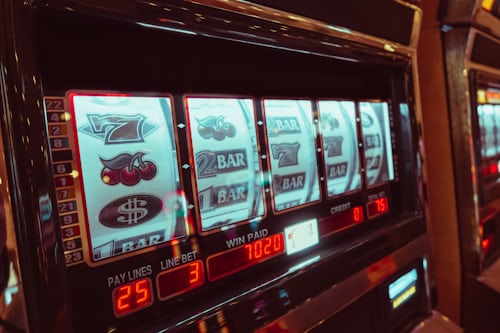
Hvordan oppføre seg på casino En guide til etikette og spillglede

Hvordan oppføre seg på casino En guide til etikette og spillglede

Forberedelse før besøket

Før du besøker et casino, er det viktig å ha en klar plan. Dette inkluderer å sette et budsjett for hvor mye penger du er villig til å bruke, samt hvor lenge du planlegger å spille. Å ha en definert ramme for ditt spill gjør det lettere å holde oversikt over forbruket og unngå impulsive beslutninger. Husk at casinoer er designet for å være underholdende, men det er lett å bli revet med i spenningen. En plattform som lizaro kan være nyttig for å navigere i dette landskapet.

I tillegg til økonomiske forberedelser, bør du også vurdere din egen kleskode. Mange casinoer har spesifikke krav til antrekk, fra uformelt til formelt. Det kan være lurt å kle seg deretter for å føle seg komfortabel og selvsikker. God hygiene og presentabelt utseende viser respekt både for deg selv og de andre gjestene.

En annen viktig del av forberedelsen er å gjøre deg kjent med spillene du ønsker å spille. Enten det er blackjack, rulett eller spilleautomater, kan det være nyttig å lære reglene på forhånd. Dette gir deg en bedre forståelse av spillet og gjør det enklere å delta i samtaler med andre spillere.

Etikette ved bordspill

Når du spiller bordspill som blackjack eller poker, er det viktig å følge visse etiske retningslinjer. Først og fremst bør du alltid respektere de andre spillerne og dealeren. Dette betyr å vente med å handle til det er din tur, og å unngå å snakke eller forstyrre andre mens de spiller. Å vise respekt skaper en bedre atmosfære for alle, og bidrar til å opprettholde en hyggelig stemning.

Videre er det viktig å håndtere kort og chips riktig. Når du spiller kortspill, må du aldri ta på kortene dine når du har fått dem fra dealeren. Dette kan føre til misforståelser og konflikter. Når det gjelder chips, bør du være oppmerksom på hvordan du satser. Satsingen din bør være tydelig og ikke skape forvirring for de rundt deg.

I tillegg til å følge reglene for spillet, er det også godt å ha en positiv innstilling. Å smile og være vennlig kan gjøre opplevelsen bedre for deg og de rundt deg. Husk at et casino er et sted for moro, så vær åpen for å glede deg over spillet og delikat samspill med andre spillere.

Oppførsel i spilleautomater

Spilleautomater krever også en viss etikette. Det er viktig å huske at disse maskinene er populære, og at andre spillere kanskje venter på å bruke en ledig maskin. Derfor bør du unngå å tilbringe for lang tid på en enkelt maskin med mindre du har vunnet stort. Hvis du ønsker å bruke tid på en maskin, kan det være lurt å bruke en av de mindre populære automatene for å gi plass til andre.

Når du bruker spilleautomater, er det også viktig å være oppmerksom på hvordan du håndterer gevinster. Hvis du vinner, må du unngå å vise for mye glede offentlig. Det kan oppfattes som provoserende av andre spillere, og det er best å holde en lav profil. I tillegg bør du alltid huske å samle gevinstene dine før du forlater maskinen, slik at du ikke glemmer dem.

Det kan også være lurt å følge med på hvordan andre spillere oppfører seg ved maskinene. Dette kan gi deg innsikt i hva som er akseptabel oppførsel og hva som kan være problematisk. Å observere de erfarne spillerne kan lære deg mye om den uoffisielle etikettemessige normen som gjelder for spilleautomater.

Å spille ansvarlig

Ansvarlig spilling er avgjørende for en positiv opplevelse på casino. Sett alltid et klart budsjett og hold deg til det. Hvis du merker at du begynner å miste kontrollen over spillingen din, er det viktig å ta en pause eller til og med forlate casinoet. Det å ta ansvar for egen spilling viser modenhet og respekt både for deg selv og for de andre gjestene.

Det er også viktig å vite når du skal stoppe. Mange spillere glemmer tid og sted når de er opptatt i spill. Sett deg tidsgrenser, og vær bevisst på hvor lenge du har vært der. Casinoer er designet for å være lokkende, så det kan være lett å miste oversikten over tiden.

For de som føler at de har problemer med spillingen, finnes det ressurser og støtte tilgjengelig. Mange casinoer tilbyr informasjon om ansvarlig spilling, og det er ofte tilgjengelig hjelp fra profesjonelle organisasjoner. Å ta tak i eventuelle problemer med gambling tidlig er essensielt for å opprettholde en sunn tilnærming til spilling.

Om Lizaro Casino

Lizaro Casino tilbyr en omfattende plattform for norske spillere, med et fokus på både underholdning og ansvarlig spilling. Med en massiv velkomstbonus og et bredt utvalg av spill, er det et ideelt sted for både nybegynnere og erfarne spillere. Nettstedet er designet for å gi en brukervennlig opplevelse, og har støtte for ulike betalingsmetoder, noe som gjør det enkelt å håndtere innskudd og uttak.

Det er også viktig å merke seg at Lizaro Casino prioriterer trygghet og sikkerhet. Med støtte for kryptovaluta og alternative betalingsmetoder, kan spillere føle seg trygge på at deres transaksjoner er beskyttet. Dette gjør det lettere å fokusere på det viktigste: å ha det moro med spilling og opplevelsen av å vinne.

Ved å kombinere et variert spillutvalg med en sterk forpliktelse til ansvarlig spilling, setter Lizaro standarden for en positiv casinoopplevelse. Besøk lizaro for å oppdage spennende spill, attraktive bonuser, og en plattform som fremmer ansvarlig spilling. Med det rette fokuset kan ditt besøk bli både underholdende og trygt.

Estate di Scommesse Virtuali – Come Massimizzare il Divertimento Estivo con i Programmi di Fedeltà

L’estate sta cambiando il modo in cui i giocatori si avvicinano allo sport. Con le grandi competizioni reali in pausa, i casinò online hanno colto l’occasione per promuovere i virtual sports, una categoria che permette di scommettere 24 ore su 24 su eventi simulati, i cui risultati sono generati da algoritmi sofisticati. Questa continuità è particolarmente attraente quando le temperature salite spingono le persone a cercare intrattenimento digitale da casa o dal proprio dispositivo mobile.

Per chi è alla ricerca di un’esperienza di gioco innovativa, il online crypto casino offre una piattaforma sicura e ricca di opportunità. Oltre a una vasta gamma di sport virtuali, il sito mette a disposizione strumenti di tracking, opzioni di pagamento in criptovaluta e una sezione dedicata ai programmi di fedeltà.

Nel prosieguo dell’articolo vedremo come una pianificazione strategica, un’attenta gestione del bankroll e l’utilizzo intelligente dei programmi di loyalty possano trasformare le scommesse estive in un vero profitto, senza sacrificare il divertimento.

1. Perché i Virtual Sports Dominano l’Estate Digitale

Durante i mesi più caldi, la maggior parte delle leghe di calcio, basket e tennis sospende le partite, lasciando i fan con più tempo libero online. Questa pausa stagionale crea una domanda naturale di adrenalina digitale: i giocatori vogliono la stessa scarica di emozioni che provano guardando una partita reale, ma senza dover uscire dal climatizzato.

Dal punto di vista tecnico, le partite virtuali si risolvono in pochi minuti, consentendo di scommettere più eventi in un’ora rispetto a una gara tradizionale. La varietà è sorprendente: dal calcio a 5 alle corse di cavalli, dalle gare di moto alle partite di basket a tre punti. Ogni simulazione offre quote competitive, RTP (return to player) tipico del 95‑97 % e livelli di volatilità che vanno dal moderato all’alto, a seconda del sport scelto.

Psychologically, the summer player seeks quick thrills that fit into short breaks between work or holiday activities. Virtual sports satisfy that need by delivering instant outcomes, frequent win‑loss cycles, and the possibility to chase a small profit without committing a full day to unbroken streaming.

1.1. La Tecnologia Dietro le Simulazioni

Le simulazioni si basano su RNG (random number generator) certificati, integrati da algoritmi di intelligenza artificiale che modellano il comportamento delle squadre o dei cavalli. I motori grafici 3D rendono le partite realistiche, ma l’elemento decisivo resta il codice che garantisce imparzialità e trasparenza.

1.2. Statistiche di Crescita 2023‑2024

Secondo i report di settore, le puntate su virtual sports hanno registrato un incremento medio del 22 % nei mesi di giugno‑agosto 2023, passando a un +28 % nello stesso periodo del 2024. La crescita è più marcata nei mercati europei, dove le piattaforme crypto casino Italia hanno introdotto promozioni stagionali mirate.

2. Costruire una Strategia di Scommessa 24/7

Una strategia efficace parte da obiettivi chiari. Per esempio, puntare a guadagnare il 10 % del bankroll in una settimana richiede una disciplina diversa rispetto a una maratona di scommesse mensile. Definitevi un obiettivo di breve termine (una settimana) e uno di medio termine (un mese), poi traduceteli in numeri: se il vostro bankroll è 1 000 €, un guadagno del 10 % equivale a 100 € di profitto.

Pianificate le sessioni in blocchi di 30‑45 minuti, alternando momenti di analisi a momenti di azione. Questo approccio riduce il rischio di burnout e mantiene la lucidità mentale, fondamentale quando si gestiscono quote veloci.

Analizzate i mercati virtuali per individuare sport con margini più alti. Le corse di cavalli virtuali, ad esempio, offrono spesso quote di 8‑12 a 1 per i favoriti, mentre il calcio virtuale tende a posizionare le quote intorno a 2‑3 a 1.

Gestione del bankroll: una regola d’oro è scommettere solo il 2‑5 % del totale per singola puntata. Se il vostro bankroll è 1 000 €, puntate tra 20 e 50 €. In caso di alta volatilità, riducete la percentuale al 2 % per preservare il capitale.

2.1. Strumenti di Analisi in Real‑Time

Molti casinò online, inclusi i migliori crypto casino, offrono dashboard personalizzate. Queste mostrano i tassi di payout per ogni sport, i trend di vincita degli ultimi 100 eventi e un indicatore di “hot‑team” basato sui risultati recenti. Utilizzate questi dati per adattare le puntate in tempo reale, ad esempio aumentando la stake sui giochi con payout medio superiore al 96 %.

2.2. Quando “Ritirarsi” è la Mossa Vincente

Stabilite un limite di perdita giornaliero, ad esempio 5 % del bankroll, e un obiettivo di profitto, ad esempio 3 % del bankroll. Se raggiungete uno di questi valori, chiudete la sessione. Il segnale di stop‑loss può anche essere un numero di perdite consecutive (es. 4 scommesse perse di fila). Rispettare questi parametri è la chiave per non trasformare una serie di piccoli guadagni in una grande perdita.

3. Programmi di Fedeltà: Il Vantaggio Competitivo Estivo

I programmi di loyalty sono progettati per premiare la costanza. I più comuni includono:

  • Punti: ogni euro scommesso genera punti che possono essere convertiti in scommesse gratuite o crediti crypto.
  • Livelli: passare da “Bronzo” a “Platino” sblocca bonus più consistenti, gestori di conto dedicati e limiti di prelievo più alti.
  • Cashback: una percentuale delle perdite nette viene restituita settimanalmente, spesso in forma di token.

I casinò online hanno integrato i virtual sports nei loro schemi di ricompensa. Ad esempio, dal 1 al 15 luglio molte piattaforme offrono “doppio punto” su tutte le scommesse di calcio virtuale, raddoppiando il valore dei punti guadagnati.

3.1. Livelli VIP e Benefici Personalizzati

Livello Requisito punti mensili Beneficio principale
Bronzo 0‑500 Bonus di benvenuto 10 %
Argento 501‑1500 Cashback 5 % su perdite
Oro 1501‑3000 Scommesse gratuite settimanali
Platino 3001+ Gestore personale, limiti di prelievo +20 %

Passare al livello Oro, per esempio, permette di ricevere due scommesse gratuite di 5 € su corse virtuali ogni settimana, aumentando il potenziale di profitto senza rischiare capitale aggiuntivo.

3.2. Cashback su Perdite Estive

Calcolare il cashback è semplice: sommate le perdite nette del periodo, applicate la percentuale offerta (spesso 5‑10 %) e otterrete un credito da reinserire nel gioco. Se avete perso 200 € in una settimana e il casino offre 8 % di cashback, riceverete 16 € di credito, che potete utilizzare per nuove scommesse senza aumentare il vostro bankroll originale.

4. Sfruttare le Promozioni Estive sui Virtual Sports

Le promozioni estive hanno un calendario ricco: bonus di deposito, scommesse gratuite, punti extra e tornei a tema. Un tipico ciclo include:

  • Giugno: “Welcome Summer” – 100 % di bonus sul primo deposito fino a 200 €, valido su tutti i virtual sports.
  • Luglio: “Summer Sprint” – 50 scommesse gratuite su corse virtuali + 20 % di punti extra per ogni scommessa di calcio.
  • Agosto: “Heatwave Cashback” – 10 % di cashback su perdite nette inferiori a 500 €.

Per massimizzare il valore, combinate il bonus di benvenuto con le scommesse gratuite e i punti extra. Ad esempio, depositate 200 €, ottenete 200 € di bonus, usate 100 € per scommesse di calcio virtuale (ricevendo 20 % di punti extra) e sfruttate le 50 scommesse gratuite per le corse, riducendo il rischio complessivo.

Come leggere i termini e condizioni

  1. Verificate il requisito di wagering (es. 30x) su bonus e scommesse gratuite.
  2. Controllate le scadenze: le promozioni estive spesso scadono entro 30 giorni.
  3. Escludete giochi con RTP basso se il requisito di wagering è alto; preferite sport virtuali con RTP ≥ 96 %.

5. Il Ruolo delle Criptovalute nei Programmi di Fedeltà

I casinò crypto stanno rivoluzionando la loyalty grazie alla trasparenza della blockchain. Quando i punti vengono convertiti in token, ogni transazione è verificabile e i tempi di payout sono quasi istantanei.

La conversione dei punti in stablecoin o token specifici (es. “Loyalty Token”) consente di utilizzare i crediti per scommesse senza commissioni di conversione. Questo è particolarmente utile nei bitcoin casino, dove le fee di rete possono erodere i piccoli profitti.

Esempio pratico

Supponiamo di aver accumulato 5 000 punti, equivalenti a 0,005 BTC in “Token Loyalty”. Questi token possono essere trasferiti direttamente al wallet del casinò e usati per piazzare scommesse su virtual sports, bypassando la necessità di depositare nuovamente fiat o crypto.

Rischi e mitigazione

  • Volatilità: i token di loyalty possono fluttuare; convertiteli in stablecoin entro 48 ore per limitare l’esposizione.
  • Regolamentazione: scegliete piattaforme che operano con licenze riconosciute (ad es. Malta, Curaçao) e che offrono audit pubblici.
  • Gestione prudente: trattate i token come parte del bankroll, applicando la stessa regola del 2‑5 % per scommessa.

6. Pianificare il Proprio “Summer Betting Calendar”

Un calendario ben strutturato è la spina dorsale di una strategia profittevole. Ecco un modello mensile:

  • 1‑7 giugno: impostare il budget estivo (es. 1 500 €) e registrarsi al programma di fedeltà.
  • 8‑15 giugno: sfruttare il “Welcome Summer” bonus, puntare su calcio virtuale per accumulare punti.
  • 16‑30 giugno: partecipare al torneo “Virtual Cup” con scommesse da 10 €, mirare a 200 punti extra.
  • 1‑15 luglio: doppio punto su calcio, utilizzare le scommesse gratuite del “Summer Sprint” su corse.
  • 16‑31 luglio: monitorare il cashback settimanale, reinvestire i crediti in scommesse a bassa volatilità.
  • 1‑15 agosto: “Heatwave Cashback”, chiudere le posizioni ad alta volatilità prima della fine del mese.

Strumenti consigliati: fogli di calcolo Google per tenere traccia di bankroll, profitto, punti e scadenze; app di tracking come “BetTracker” per notifiche in tempo reale; e le push notification della piattaforma di gioco per non perdere offerte lampo.

Alla fine dell’estate, dedicate una settimana alla revisione: calcolate il ROI totale, confrontate i punti guadagnati con le scommesse gratuite utilizzate e aggiustate la strategia per l’autunno, magari puntando su sport reali che riprendono il calendario.

Revisione post‑estate

  • Analizzare la percentuale di scommesse vincenti per sport.
  • Valutare l’efficacia del cashback rispetto al profitto netto.
  • Decidere se aumentare il livello VIP o passare a un altro crypto casino per diversificare le offerte.

Conclusione

I virtual sports rappresentano la risposta ideale per chi vuole mantenere viva l’adrenalina delle scommesse durante l’estate, quando le competizioni tradizionali sono in pausa. Con una pianificazione strategica, una gestione rigorosa del bankroll e l’uso intelligente dei programmi di fedeltà, è possibile trasformare queste partite rapide in una fonte di profitto costante.

Provate le offerte estive, ma tenete sempre sotto controllo i vostri obiettivi e limiti. Scegliete piattaforme affidabili, soprattutto quelle che supportano il gioco con criptovalute, per beneficiare di transazioni veloci, sicurezza avanzata e programmi di loyalty più trasparenti. L’estate è il momento perfetto per sperimentare, apprendere e, perché no, guadagnare con i virtual sports.

Celebrity gamblers What drives their high-stakes decisions

Celebrity gamblers What drives their high-stakes decisions

The Allure of High-Stakes Gambling

High-stakes gambling draws celebrities not just for the thrill, but also for the prestige that comes with high-risk bets. Many celebrities, from actors to athletes, often find themselves in exclusive casinos where the stakes can reach astronomical levels. The social aspect of gambling in luxurious settings further enhances the appeal, as it allows them to mingle with fellow high rollers and create a unique atmosphere that transcends ordinary gaming experiences. Moreover, those looking for a new adventure might discover the top rated online casino australia that provides thrilling options.

Moreover, high-stakes gambling offers celebrities an escape from their demanding public lives. The adrenaline rush of wagering large sums provides a captivating distraction, allowing them to immerse themselves in the moment. This escapism can sometimes lead to a compulsion to chase losses, a behavior not uncommon in the gambling world. Celebrities, like anyone else, can fall into this trap, driven by the hope of turning a loss into a significant win.

The decision to participate in high-stakes gambling also often revolves around a celebrity’s personal philosophy on risk and reward. Some view it as a strategic game that requires skill and intuition, while others treat it as a form of entertainment or a test of luck. This dichotomy plays a pivotal role in shaping their approach to gambling, influencing everything from the types of games they play to the amounts they wager.

The Influence of Wealth and Lifestyle

For many celebrities, wealth significantly shapes their gambling habits. The financial resources available to them allow for a lifestyle where high-stakes gambling feels more like a recreational activity than a financial risk. With the ability to absorb losses that could be crippling for the average person, celebrities often approach gambling with a different mindset, viewing it as a calculated risk rather than an overwhelming pressure.

This unique perspective can lead to a cycle of high-stakes gambling where the thrill of potential winnings becomes a central aspect of their lifestyle. The glamour associated with gambling in exclusive venues adds to this allure, often accompanied by lavish parties and celebrations. It’s not just about the game; it’s about the entire experience, which can include celebrity guests, extravagant decor, and top-notch service, creating an environment that’s hard to resist.

Additionally, many celebrities are surrounded by an entourage that may encourage their gambling habits. Friends and advisors can play a significant role in shaping decisions, sometimes pushing for higher bets in hopes of securing a larger win. This camaraderie can further amplify the stakes, transforming a simple game into a thrilling event that highlights both wealth and camaraderie, making every decision feel monumental.

The Role of Media and Public Image

The media’s fascination with celebrity gamblers can create immense pressure for them to maintain a certain public image. The stories that circulate in tabloids and on social media can elevate their status as high-stakes players, sometimes overshadowing the potential pitfalls of their actions. This constant scrutiny may drive them to make riskier bets in order to uphold this glamorous persona, pushing them further into the world of high-stakes gambling.

Moreover, a celebrity’s gambling decisions are often publicized, which can lead to an inflated sense of confidence. When the stakes are high, the results can be shared widely, leading to both acclaim and criticism. This notoriety can encourage some to take risks they might not otherwise consider, either to prove their worth or to entertain their fanbase. As a result, gambling becomes intertwined with their identity, influencing their choices in ways that go beyond the gaming table.

In this landscape, failure can be particularly daunting. A significant loss can tarnish a celebrity’s reputation, leading them to either withdraw from the public eye or double down on their gambling to reclaim their standing. The cycle of media attention and public perception thus becomes a driving force in their gambling decisions, impacting how and when they choose to engage with high-stakes games.

The Psychological Factors at Play

Psychological factors significantly influence the decisions made by celebrity gamblers. The thrill of risk and the potential for big wins can trigger dopamine releases in the brain, creating a euphoric feeling that can be addictive. For many celebrities, the excitement of the game often serves as a potent motivator, making it easy to overlook the inherent risks involved in high-stakes gambling.

Additionally, the competitive nature often seen in celebrities—whether honed through years in the entertainment industry or sports—may amplify their desire to win. This competitive spirit can lead them to make impulsive decisions at the gambling table, particularly when they feel challenged or cornered. The interaction between these psychological aspects and the high stakes involved creates a perfect storm for both excitement and potential downfalls.

Furthermore, coping mechanisms can play a role in gambling behavior. Celebrities might turn to gambling as a way to handle stress, anxiety, or feelings of isolation that come from their high-profile lifestyles. While some may view gambling as a form of relaxation, it can easily transition into a harmful cycle if not kept in check. Thus, understanding these psychological underpinnings is crucial in grasping what drives their high-stakes decisions.

Exploring the Digital Landscape of Gambling

With the evolution of online gambling, celebrities are now exploring virtual casinos that offer similar high-stakes experiences. These platforms provide a convenient option for those who wish to engage in gambling without the need to travel to exclusive venues. The accessibility of these digital platforms allows celebrities to participate in high-stakes games from the comfort of their own homes, or even while on the go.

Online casinos often mimic the high-energy atmosphere of traditional gambling venues, complete with interactive features and live dealer games. The blend of advanced technology and immersive experiences can be particularly appealing, allowing celebrities to enjoy the thrill of gambling while still maintaining a level of privacy that traditional casinos do not offer. This shift towards online gambling reflects the changing landscape of the gaming world, making high-stakes experiences more accessible than ever.

As the online gambling market continues to grow, many celebrities are leveraging their fame to engage with fans in unique ways. Whether through livestreamed gaming sessions or sponsored events, they are increasingly part of this digital gambling revolution. This interaction not only enhances their public image but also creates an engaging platform for both fans and fellow players, further blurring the lines between celebrity culture and the gambling world.

From Saloon Tables to Online Tournaments – How Poker Legends Shaped Modern Gaming Platforms

The night was thick with cigar smoke and the clatter of copper coins as “Wild Bill” Hickok faced a rival in a dimly lit riverboat saloon. The stakes were modest— a single gold nugget and a reputation that could buy a seat at any table in the West. Yet the showdown became a legend, retold in taverns from Dodge City to New Orleans, and it set a template for the drama that still fuels poker rooms today.

Fast‑forward two centuries, and the same pulse of anticipation lives on in the flickering dashboards of online poker sites. Modern players can now track every chip movement, every satellite qualifier, and every final‑table bust‑out in real time. A handy portal for that purpose is https://idpielts.me/, which aggregates current tournament results, player statistics, and schedule updates in a single, searchable feed.

This article will trace pivotal moments in poker history, examine how those triumphs influenced the design and promotion of today’s top gaming sites, and reveal the lasting lessons for modern players.

The Wild West Origins: Early Poker Legends and Their Impact

Frontier poker was a rough‑and‑ready affair. Riverboats gliding the Mississippi offered the only legal venues where men could gamble with a deck of 52 cards, while dusty saloons in Deadwood served as informal arenas for high‑stakes bluffing. The lack of regulation meant that reputation was the only currency; a single daring win could turn an unknown prospector into a household name.

“Wild Bill” Hickok, famed for his quick draw and uncanny reading of opponents, became the archetype of the fearless gambler. His 1876 victory over a rival gambler in a $5,000 pot (equivalent to roughly $120,000 today) was chronicled in newspaper columns and later in dime novels. Doc Holliday, another iconic figure, leveraged his poker prowess to fund his legal battles and maintain his lifestyle in Tombstone. Both men cultivated a mythos of rugged individualism that still echoes in the branding of online platforms.

Modern operators borrow heavily from that mythos. Banner ads feature shadowy silhouettes of gunslingers at a green felt table, and loyalty programs are named after legendary figures— “Hickok’s High Rollers” or “Holliday’s Hold’em Club.” The storytelling technique transforms a simple bonus offer into a narrative of daring and destiny, encouraging players to envision themselves as the next frontier legend.

Aspect 19th‑Century Saloon Modern Online Site
Venue Riverboat or wooden saloon, limited capacity Global server farm, unlimited seats
Reputation Word‑of‑mouth, newspaper clippings Live leaderboards, social media feeds
Stakes Physical cash, gold nuggets Digital chips, crypto gambling, anonymous payments
Security Physical guards, locked safes Encryption, two‑factor authentication, secure betting

The Golden Age of Live Tournaments: 1970s‑1990s Milestones

The modern poker boom began in 1970 when Benny Binion opened the inaugural World Series of Poker (WSOP) in Las Vegas. Instead of a cash prize, the first event awarded a bracelet and bragging rights, but the televised coverage on CBS the following year turned the bracelet into a coveted trophy. Johnny Moss’s 1971 win, achieved by a secret ballot of his peers, introduced the concept of a “peer‑validated champion,” a notion still used in today’s player‑rating algorithms.

Stu Ungar’s three‑time WSOP Main Event triumph (1980, 1981, 1997) set prize‑pool expectations dramatically higher. His 1997 victory netted $1.2 million, a figure that forced casino operators to rethink promotional budgets. The response was a wave of “big‑win” branding: “Win $1 Million at Our New 6‑Max Table!” Coupled with loyalty programs that awarded points for each chip earned, the industry began to treat players as long‑term assets rather than one‑off bettors.

These milestones also birthed the concept of “RTP” (return‑to‑player) guarantees in tournament structures. Organizers began publishing expected payout percentages— typically 85‑90 % of the total buy‑in— to reassure participants that the game was fair, a practice now mirrored in online platforms’ “fair‑play” seals.

Key takeaways from the golden age

  • Television amplified individual narratives, making champions household names.
  • Record‑breaking prize pools forced operators to allocate larger marketing budgets toward jackpot promotions.
  • Loyalty and tiered reward systems emerged as a direct response to repeat champion behavior.

The Digital Turn: Early Online Poker Rooms and Their First Heroes

When PlanetPoker launched in 1998, it offered a modest software client that allowed players to wager real money from their desktop. Paradise Poker followed shortly, adding a more polished interface and the first “play‑for‑real” leaderboard. The early adopters were tech‑savvy gamblers who appreciated anonymity and the ability to gamble from a hotel room in Nevada or a cafe in Dubai.

One of the first celebrated online champions was “The Russian Bear,” a pseudonym for a player who turned a $50 deposit into a $25 000 win on a $5 000 satellite to the 2001 WSOP Main Event. His story circulated on early poker forums, providing proof that the internet could produce genuine high‑stakes heroes. The ripple effect was immediate: regulators in several jurisdictions began scrutinizing the encryption standards of these sites, leading to the adoption of 128‑bit SSL and later 256‑bit TLS protocols.

Security Breakthroughs Prompted by High‑Stakes Wins

Large online payouts exposed vulnerabilities in early software, prompting a scramble for stronger encryption. By 2002, most reputable rooms had implemented end‑to‑end SSL, multi‑factor authentication, and daily transaction audits, laying the groundwork for today’s “secure betting” standards.

Marketing Shifts: From “Play for Fun” to “Win Big”

Operators quickly realized that real‑player success stories were the most persuasive marketing assets. Banner ads began to feature headlines like “From $10 to $10,000 – Real Player Wins!” while email newsletters highlighted recent satellite qualifiers who turned modest buy‑ins into life‑changing sums. The tone shifted from “enjoy the game” to “secure your chance at a massive jackpot,” a change still evident in modern promotional copy.

The Rise of Multi‑Table Tournaments (MTTs) and Satellite Qualifiers

Multi‑Table Tournaments (MTTs) introduced a scalable structure where hundreds, sometimes thousands, of players could compete simultaneously. The format’s appeal lay in its progressive blind schedule and the allure of massive prize pools funded by a modest entry fee.

A hallmark case occurred in 2005 when a player named “John Doe” entered a $100 satellite on an early‑stage MTT platform. He survived a 30‑player field, won the satellite, and earned a seat at the WSOP Main Event, ultimately taking home $1 million. The story dominated poker blogs and demonstrated the power of the satellite model: a low‑cost gateway to a life‑changing win.

Online sites responded by creating “Tournament‑Only” portals, where the entire product offering revolved around scheduled MTTs and satellite qualifiers. Traffic spikes during satellite registration windows became a key metric for platform health, and many operators introduced “early‑bird” bonuses to encourage sign‑ups ahead of major events.

Data‑Driven Player Profiles: How Historical Wins Shape Modern Algorithms

Today’s top poker rooms rely on sophisticated analytics to personalize the player experience. Every hand is logged, every session duration measured, and every win‑rate benchmarked against historical data. This data feeds machine‑learning models that predict a player’s volatility, preferred game type, and likelihood to respond to specific promotions.

For example, “Legendary Tables” on a leading site are populated using a hybrid algorithm that blends historic champion performance with current activity levels. If a player has a win‑rate comparable to past WSOP bracelet winners in 6‑max Hold’em, the system may place them at a table with a higher minimum buy‑in and offer a custom bonus titled “Champion’s Boost.”

Predictive Modelling of Tournament Outcomes

Statistical models now incorporate variables such as average chips per round, pre‑flop aggression factor, and historical satellite success. By weighting these against a database of past champions, the model can forecast the probability of a player reaching the final table with a margin of error under 5 %.

Personalised Reward Systems Inspired by Past Heroes

Loyalty tiers often echo the achievements of historic figures. A “Hickok Tier” might require 10 000 lifetime hands and a 20 % win‑rate, granting access to exclusive high‑RTP tournaments and faster withdrawal limits. These tiers reinforce the narrative that modern players are following in the footsteps of legends, encouraging deeper engagement and higher wagering.

Cultural Legacy: Poker Success Stories in Pop Culture and Site Branding

Poker’s mythic status has been cemented by movies like Rounders (1998), TV series such as Breaking Bad (season 5’s “Say My Name” episode), and podcasts like “The Poker History Review.” Each medium recycles the archetype of the underdog who turns a modest stack into a fortune, reinforcing the emotional hook that operators exploit.

Contemporary gaming sites embed these references directly into their UI. Background images may feature a stylized version of the 1972 WSOP final table, while promotional copy might read, “Channel your inner Stu Ungar – play the $10,000 High‑Roller today.” Even the terminology used in help sections— “bluff like Doc Holliday” or “play with Wild Bill’s aggression” — borrows from the cultural lexicon, creating an immersive brand experience that feels both historic and immediate.

Future Trends: What the Next Generation of Poker Legends Might Teach Us

Emerging formats such as short‑deck Hold’em (36‑card deck) and crypto‑based tournaments are already reshaping the competitive landscape. Short‑deck’s increased volatility (average hand equity swings of 12‑15 %) appeals to players seeking higher RTP variance, while crypto gambling platforms enable truly anonymous payments, attracting users from regions with strict banking restrictions.

Virtual reality (VR) is poised to deliver immersive recountings of historic wins. Imagine stepping into a recreated 1903 riverboat saloon, watching a holographic Wild Bill execute his legendary bluff, then being invited to replicate the hand in a live VR tournament. Such storytelling will deepen emotional connections and generate new “legend‑building” moments for the digital age.

Recommendations for operators and players:

  • Operators should integrate blockchain‑verified transaction records to enhance trust in crypto‑based tournaments.
  • Players can study past champion patterns— low‑variance early play, selective aggression— and apply those principles to short‑deck or high‑volatility formats.
  • Both parties should monitor emerging analytics platforms (including neutral resources like Idpielts) to stay informed about evolving tournament structures and prize pools.

Conclusion

From the smoky riverboats of the 19th century to today’s algorithm‑enhanced virtual rooms, poker’s evolution is a story of legends inspiring platforms, which in turn forge new legends. Historic wins continue to shape branding, security, and reward systems, proving that the past is not merely a backdrop but an active driver of modern gaming design.

Readers looking to see how today’s champions are emerging can visit resources such as Idpielts, where live tournament data and player statistics are aggregated for easy reference. By studying the triumphs of the past and the data‑driven tools of the present, players can craft strategies that honor tradition while maximizing modern opportunities.

From Saloon Tables to Online Tournaments – How Poker Legends Shaped Modern Gaming Platforms

The night was thick with cigar smoke and the clatter of copper coins as “Wild Bill” Hickok faced a rival in a dimly lit riverboat saloon. The stakes were modest— a single gold nugget and a reputation that could buy a seat at any table in the West. Yet the showdown became a legend, retold in taverns from Dodge City to New Orleans, and it set a template for the drama that still fuels poker rooms today.

Fast‑forward two centuries, and the same pulse of anticipation lives on in the flickering dashboards of online poker sites. Modern players can now track every chip movement, every satellite qualifier, and every final‑table bust‑out in real time. A handy portal for that purpose is https://idpielts.me/, which aggregates current tournament results, player statistics, and schedule updates in a single, searchable feed.

This article will trace pivotal moments in poker history, examine how those triumphs influenced the design and promotion of today’s top gaming sites, and reveal the lasting lessons for modern players.

The Wild West Origins: Early Poker Legends and Their Impact

Frontier poker was a rough‑and‑ready affair. Riverboats gliding the Mississippi offered the only legal venues where men could gamble with a deck of 52 cards, while dusty saloons in Deadwood served as informal arenas for high‑stakes bluffing. The lack of regulation meant that reputation was the only currency; a single daring win could turn an unknown prospector into a household name.

“Wild Bill” Hickok, famed for his quick draw and uncanny reading of opponents, became the archetype of the fearless gambler. His 1876 victory over a rival gambler in a $5,000 pot (equivalent to roughly $120,000 today) was chronicled in newspaper columns and later in dime novels. Doc Holliday, another iconic figure, leveraged his poker prowess to fund his legal battles and maintain his lifestyle in Tombstone. Both men cultivated a mythos of rugged individualism that still echoes in the branding of online platforms.

Modern operators borrow heavily from that mythos. Banner ads feature shadowy silhouettes of gunslingers at a green felt table, and loyalty programs are named after legendary figures— “Hickok’s High Rollers” or “Holliday’s Hold’em Club.” The storytelling technique transforms a simple bonus offer into a narrative of daring and destiny, encouraging players to envision themselves as the next frontier legend.

Aspect 19th‑Century Saloon Modern Online Site
Venue Riverboat or wooden saloon, limited capacity Global server farm, unlimited seats
Reputation Word‑of‑mouth, newspaper clippings Live leaderboards, social media feeds
Stakes Physical cash, gold nuggets Digital chips, crypto gambling, anonymous payments
Security Physical guards, locked safes Encryption, two‑factor authentication, secure betting

The Golden Age of Live Tournaments: 1970s‑1990s Milestones

The modern poker boom began in 1970 when Benny Binion opened the inaugural World Series of Poker (WSOP) in Las Vegas. Instead of a cash prize, the first event awarded a bracelet and bragging rights, but the televised coverage on CBS the following year turned the bracelet into a coveted trophy. Johnny Moss’s 1971 win, achieved by a secret ballot of his peers, introduced the concept of a “peer‑validated champion,” a notion still used in today’s player‑rating algorithms.

Stu Ungar’s three‑time WSOP Main Event triumph (1980, 1981, 1997) set prize‑pool expectations dramatically higher. His 1997 victory netted $1.2 million, a figure that forced casino operators to rethink promotional budgets. The response was a wave of “big‑win” branding: “Win $1 Million at Our New 6‑Max Table!” Coupled with loyalty programs that awarded points for each chip earned, the industry began to treat players as long‑term assets rather than one‑off bettors.

These milestones also birthed the concept of “RTP” (return‑to‑player) guarantees in tournament structures. Organizers began publishing expected payout percentages— typically 85‑90 % of the total buy‑in— to reassure participants that the game was fair, a practice now mirrored in online platforms’ “fair‑play” seals.

Key takeaways from the golden age

  • Television amplified individual narratives, making champions household names.
  • Record‑breaking prize pools forced operators to allocate larger marketing budgets toward jackpot promotions.
  • Loyalty and tiered reward systems emerged as a direct response to repeat champion behavior.

The Digital Turn: Early Online Poker Rooms and Their First Heroes

When PlanetPoker launched in 1998, it offered a modest software client that allowed players to wager real money from their desktop. Paradise Poker followed shortly, adding a more polished interface and the first “play‑for‑real” leaderboard. The early adopters were tech‑savvy gamblers who appreciated anonymity and the ability to gamble from a hotel room in Nevada or a cafe in Dubai.

One of the first celebrated online champions was “The Russian Bear,” a pseudonym for a player who turned a $50 deposit into a $25 000 win on a $5 000 satellite to the 2001 WSOP Main Event. His story circulated on early poker forums, providing proof that the internet could produce genuine high‑stakes heroes. The ripple effect was immediate: regulators in several jurisdictions began scrutinizing the encryption standards of these sites, leading to the adoption of 128‑bit SSL and later 256‑bit TLS protocols.

Security Breakthroughs Prompted by High‑Stakes Wins

Large online payouts exposed vulnerabilities in early software, prompting a scramble for stronger encryption. By 2002, most reputable rooms had implemented end‑to‑end SSL, multi‑factor authentication, and daily transaction audits, laying the groundwork for today’s “secure betting” standards.

Marketing Shifts: From “Play for Fun” to “Win Big”

Operators quickly realized that real‑player success stories were the most persuasive marketing assets. Banner ads began to feature headlines like “From $10 to $10,000 – Real Player Wins!” while email newsletters highlighted recent satellite qualifiers who turned modest buy‑ins into life‑changing sums. The tone shifted from “enjoy the game” to “secure your chance at a massive jackpot,” a change still evident in modern promotional copy.

The Rise of Multi‑Table Tournaments (MTTs) and Satellite Qualifiers

Multi‑Table Tournaments (MTTs) introduced a scalable structure where hundreds, sometimes thousands, of players could compete simultaneously. The format’s appeal lay in its progressive blind schedule and the allure of massive prize pools funded by a modest entry fee.

A hallmark case occurred in 2005 when a player named “John Doe” entered a $100 satellite on an early‑stage MTT platform. He survived a 30‑player field, won the satellite, and earned a seat at the WSOP Main Event, ultimately taking home $1 million. The story dominated poker blogs and demonstrated the power of the satellite model: a low‑cost gateway to a life‑changing win.

Online sites responded by creating “Tournament‑Only” portals, where the entire product offering revolved around scheduled MTTs and satellite qualifiers. Traffic spikes during satellite registration windows became a key metric for platform health, and many operators introduced “early‑bird” bonuses to encourage sign‑ups ahead of major events.

Data‑Driven Player Profiles: How Historical Wins Shape Modern Algorithms

Today’s top poker rooms rely on sophisticated analytics to personalize the player experience. Every hand is logged, every session duration measured, and every win‑rate benchmarked against historical data. This data feeds machine‑learning models that predict a player’s volatility, preferred game type, and likelihood to respond to specific promotions.

For example, “Legendary Tables” on a leading site are populated using a hybrid algorithm that blends historic champion performance with current activity levels. If a player has a win‑rate comparable to past WSOP bracelet winners in 6‑max Hold’em, the system may place them at a table with a higher minimum buy‑in and offer a custom bonus titled “Champion’s Boost.”

Predictive Modelling of Tournament Outcomes

Statistical models now incorporate variables such as average chips per round, pre‑flop aggression factor, and historical satellite success. By weighting these against a database of past champions, the model can forecast the probability of a player reaching the final table with a margin of error under 5 %.

Personalised Reward Systems Inspired by Past Heroes

Loyalty tiers often echo the achievements of historic figures. A “Hickok Tier” might require 10 000 lifetime hands and a 20 % win‑rate, granting access to exclusive high‑RTP tournaments and faster withdrawal limits. These tiers reinforce the narrative that modern players are following in the footsteps of legends, encouraging deeper engagement and higher wagering.

Cultural Legacy: Poker Success Stories in Pop Culture and Site Branding

Poker’s mythic status has been cemented by movies like Rounders (1998), TV series such as Breaking Bad (season 5’s “Say My Name” episode), and podcasts like “The Poker History Review.” Each medium recycles the archetype of the underdog who turns a modest stack into a fortune, reinforcing the emotional hook that operators exploit.

Contemporary gaming sites embed these references directly into their UI. Background images may feature a stylized version of the 1972 WSOP final table, while promotional copy might read, “Channel your inner Stu Ungar – play the $10,000 High‑Roller today.” Even the terminology used in help sections— “bluff like Doc Holliday” or “play with Wild Bill’s aggression” — borrows from the cultural lexicon, creating an immersive brand experience that feels both historic and immediate.

Future Trends: What the Next Generation of Poker Legends Might Teach Us

Emerging formats such as short‑deck Hold’em (36‑card deck) and crypto‑based tournaments are already reshaping the competitive landscape. Short‑deck’s increased volatility (average hand equity swings of 12‑15 %) appeals to players seeking higher RTP variance, while crypto gambling platforms enable truly anonymous payments, attracting users from regions with strict banking restrictions.

Virtual reality (VR) is poised to deliver immersive recountings of historic wins. Imagine stepping into a recreated 1903 riverboat saloon, watching a holographic Wild Bill execute his legendary bluff, then being invited to replicate the hand in a live VR tournament. Such storytelling will deepen emotional connections and generate new “legend‑building” moments for the digital age.

Recommendations for operators and players:

  • Operators should integrate blockchain‑verified transaction records to enhance trust in crypto‑based tournaments.
  • Players can study past champion patterns— low‑variance early play, selective aggression— and apply those principles to short‑deck or high‑volatility formats.
  • Both parties should monitor emerging analytics platforms (including neutral resources like Idpielts) to stay informed about evolving tournament structures and prize pools.

Conclusion

From the smoky riverboats of the 19th century to today’s algorithm‑enhanced virtual rooms, poker’s evolution is a story of legends inspiring platforms, which in turn forge new legends. Historic wins continue to shape branding, security, and reward systems, proving that the past is not merely a backdrop but an active driver of modern gaming design.

Readers looking to see how today’s champions are emerging can visit resources such as Idpielts, where live tournament data and player statistics are aggregated for easy reference. By studying the triumphs of the past and the data‑driven tools of the present, players can craft strategies that honor tradition while maximizing modern opportunities.

From Saloon Tables to Online Tournaments – How Poker Legends Shaped Modern Gaming Platforms

The night was thick with cigar smoke and the clatter of copper coins as “Wild Bill” Hickok faced a rival in a dimly lit riverboat saloon. The stakes were modest— a single gold nugget and a reputation that could buy a seat at any table in the West. Yet the showdown became a legend, retold in taverns from Dodge City to New Orleans, and it set a template for the drama that still fuels poker rooms today.

Fast‑forward two centuries, and the same pulse of anticipation lives on in the flickering dashboards of online poker sites. Modern players can now track every chip movement, every satellite qualifier, and every final‑table bust‑out in real time. A handy portal for that purpose is https://idpielts.me/, which aggregates current tournament results, player statistics, and schedule updates in a single, searchable feed.

This article will trace pivotal moments in poker history, examine how those triumphs influenced the design and promotion of today’s top gaming sites, and reveal the lasting lessons for modern players.

The Wild West Origins: Early Poker Legends and Their Impact

Frontier poker was a rough‑and‑ready affair. Riverboats gliding the Mississippi offered the only legal venues where men could gamble with a deck of 52 cards, while dusty saloons in Deadwood served as informal arenas for high‑stakes bluffing. The lack of regulation meant that reputation was the only currency; a single daring win could turn an unknown prospector into a household name.

“Wild Bill” Hickok, famed for his quick draw and uncanny reading of opponents, became the archetype of the fearless gambler. His 1876 victory over a rival gambler in a $5,000 pot (equivalent to roughly $120,000 today) was chronicled in newspaper columns and later in dime novels. Doc Holliday, another iconic figure, leveraged his poker prowess to fund his legal battles and maintain his lifestyle in Tombstone. Both men cultivated a mythos of rugged individualism that still echoes in the branding of online platforms.

Modern operators borrow heavily from that mythos. Banner ads feature shadowy silhouettes of gunslingers at a green felt table, and loyalty programs are named after legendary figures— “Hickok’s High Rollers” or “Holliday’s Hold’em Club.” The storytelling technique transforms a simple bonus offer into a narrative of daring and destiny, encouraging players to envision themselves as the next frontier legend.

Aspect 19th‑Century Saloon Modern Online Site
Venue Riverboat or wooden saloon, limited capacity Global server farm, unlimited seats
Reputation Word‑of‑mouth, newspaper clippings Live leaderboards, social media feeds
Stakes Physical cash, gold nuggets Digital chips, crypto gambling, anonymous payments
Security Physical guards, locked safes Encryption, two‑factor authentication, secure betting

The Golden Age of Live Tournaments: 1970s‑1990s Milestones

The modern poker boom began in 1970 when Benny Binion opened the inaugural World Series of Poker (WSOP) in Las Vegas. Instead of a cash prize, the first event awarded a bracelet and bragging rights, but the televised coverage on CBS the following year turned the bracelet into a coveted trophy. Johnny Moss’s 1971 win, achieved by a secret ballot of his peers, introduced the concept of a “peer‑validated champion,” a notion still used in today’s player‑rating algorithms.

Stu Ungar’s three‑time WSOP Main Event triumph (1980, 1981, 1997) set prize‑pool expectations dramatically higher. His 1997 victory netted $1.2 million, a figure that forced casino operators to rethink promotional budgets. The response was a wave of “big‑win” branding: “Win $1 Million at Our New 6‑Max Table!” Coupled with loyalty programs that awarded points for each chip earned, the industry began to treat players as long‑term assets rather than one‑off bettors.

These milestones also birthed the concept of “RTP” (return‑to‑player) guarantees in tournament structures. Organizers began publishing expected payout percentages— typically 85‑90 % of the total buy‑in— to reassure participants that the game was fair, a practice now mirrored in online platforms’ “fair‑play” seals.

Key takeaways from the golden age

  • Television amplified individual narratives, making champions household names.
  • Record‑breaking prize pools forced operators to allocate larger marketing budgets toward jackpot promotions.
  • Loyalty and tiered reward systems emerged as a direct response to repeat champion behavior.

The Digital Turn: Early Online Poker Rooms and Their First Heroes

When PlanetPoker launched in 1998, it offered a modest software client that allowed players to wager real money from their desktop. Paradise Poker followed shortly, adding a more polished interface and the first “play‑for‑real” leaderboard. The early adopters were tech‑savvy gamblers who appreciated anonymity and the ability to gamble from a hotel room in Nevada or a cafe in Dubai.

One of the first celebrated online champions was “The Russian Bear,” a pseudonym for a player who turned a $50 deposit into a $25 000 win on a $5 000 satellite to the 2001 WSOP Main Event. His story circulated on early poker forums, providing proof that the internet could produce genuine high‑stakes heroes. The ripple effect was immediate: regulators in several jurisdictions began scrutinizing the encryption standards of these sites, leading to the adoption of 128‑bit SSL and later 256‑bit TLS protocols.

Security Breakthroughs Prompted by High‑Stakes Wins

Large online payouts exposed vulnerabilities in early software, prompting a scramble for stronger encryption. By 2002, most reputable rooms had implemented end‑to‑end SSL, multi‑factor authentication, and daily transaction audits, laying the groundwork for today’s “secure betting” standards.

Marketing Shifts: From “Play for Fun” to “Win Big”

Operators quickly realized that real‑player success stories were the most persuasive marketing assets. Banner ads began to feature headlines like “From $10 to $10,000 – Real Player Wins!” while email newsletters highlighted recent satellite qualifiers who turned modest buy‑ins into life‑changing sums. The tone shifted from “enjoy the game” to “secure your chance at a massive jackpot,” a change still evident in modern promotional copy.

The Rise of Multi‑Table Tournaments (MTTs) and Satellite Qualifiers

Multi‑Table Tournaments (MTTs) introduced a scalable structure where hundreds, sometimes thousands, of players could compete simultaneously. The format’s appeal lay in its progressive blind schedule and the allure of massive prize pools funded by a modest entry fee.

A hallmark case occurred in 2005 when a player named “John Doe” entered a $100 satellite on an early‑stage MTT platform. He survived a 30‑player field, won the satellite, and earned a seat at the WSOP Main Event, ultimately taking home $1 million. The story dominated poker blogs and demonstrated the power of the satellite model: a low‑cost gateway to a life‑changing win.

Online sites responded by creating “Tournament‑Only” portals, where the entire product offering revolved around scheduled MTTs and satellite qualifiers. Traffic spikes during satellite registration windows became a key metric for platform health, and many operators introduced “early‑bird” bonuses to encourage sign‑ups ahead of major events.

Data‑Driven Player Profiles: How Historical Wins Shape Modern Algorithms

Today’s top poker rooms rely on sophisticated analytics to personalize the player experience. Every hand is logged, every session duration measured, and every win‑rate benchmarked against historical data. This data feeds machine‑learning models that predict a player’s volatility, preferred game type, and likelihood to respond to specific promotions.

For example, “Legendary Tables” on a leading site are populated using a hybrid algorithm that blends historic champion performance with current activity levels. If a player has a win‑rate comparable to past WSOP bracelet winners in 6‑max Hold’em, the system may place them at a table with a higher minimum buy‑in and offer a custom bonus titled “Champion’s Boost.”

Predictive Modelling of Tournament Outcomes

Statistical models now incorporate variables such as average chips per round, pre‑flop aggression factor, and historical satellite success. By weighting these against a database of past champions, the model can forecast the probability of a player reaching the final table with a margin of error under 5 %.

Personalised Reward Systems Inspired by Past Heroes

Loyalty tiers often echo the achievements of historic figures. A “Hickok Tier” might require 10 000 lifetime hands and a 20 % win‑rate, granting access to exclusive high‑RTP tournaments and faster withdrawal limits. These tiers reinforce the narrative that modern players are following in the footsteps of legends, encouraging deeper engagement and higher wagering.

Cultural Legacy: Poker Success Stories in Pop Culture and Site Branding

Poker’s mythic status has been cemented by movies like Rounders (1998), TV series such as Breaking Bad (season 5’s “Say My Name” episode), and podcasts like “The Poker History Review.” Each medium recycles the archetype of the underdog who turns a modest stack into a fortune, reinforcing the emotional hook that operators exploit.

Contemporary gaming sites embed these references directly into their UI. Background images may feature a stylized version of the 1972 WSOP final table, while promotional copy might read, “Channel your inner Stu Ungar – play the $10,000 High‑Roller today.” Even the terminology used in help sections— “bluff like Doc Holliday” or “play with Wild Bill’s aggression” — borrows from the cultural lexicon, creating an immersive brand experience that feels both historic and immediate.

Future Trends: What the Next Generation of Poker Legends Might Teach Us

Emerging formats such as short‑deck Hold’em (36‑card deck) and crypto‑based tournaments are already reshaping the competitive landscape. Short‑deck’s increased volatility (average hand equity swings of 12‑15 %) appeals to players seeking higher RTP variance, while crypto gambling platforms enable truly anonymous payments, attracting users from regions with strict banking restrictions.

Virtual reality (VR) is poised to deliver immersive recountings of historic wins. Imagine stepping into a recreated 1903 riverboat saloon, watching a holographic Wild Bill execute his legendary bluff, then being invited to replicate the hand in a live VR tournament. Such storytelling will deepen emotional connections and generate new “legend‑building” moments for the digital age.

Recommendations for operators and players:

  • Operators should integrate blockchain‑verified transaction records to enhance trust in crypto‑based tournaments.
  • Players can study past champion patterns— low‑variance early play, selective aggression— and apply those principles to short‑deck or high‑volatility formats.
  • Both parties should monitor emerging analytics platforms (including neutral resources like Idpielts) to stay informed about evolving tournament structures and prize pools.

Conclusion

From the smoky riverboats of the 19th century to today’s algorithm‑enhanced virtual rooms, poker’s evolution is a story of legends inspiring platforms, which in turn forge new legends. Historic wins continue to shape branding, security, and reward systems, proving that the past is not merely a backdrop but an active driver of modern gaming design.

Readers looking to see how today’s champions are emerging can visit resources such as Idpielts, where live tournament data and player statistics are aggregated for easy reference. By studying the triumphs of the past and the data‑driven tools of the present, players can craft strategies that honor tradition while maximizing modern opportunities.

From Saloon Tables to Online Tournaments – How Poker Legends Shaped Modern Gaming Platforms

The night was thick with cigar smoke and the clatter of copper coins as “Wild Bill” Hickok faced a rival in a dimly lit riverboat saloon. The stakes were modest— a single gold nugget and a reputation that could buy a seat at any table in the West. Yet the showdown became a legend, retold in taverns from Dodge City to New Orleans, and it set a template for the drama that still fuels poker rooms today.

Fast‑forward two centuries, and the same pulse of anticipation lives on in the flickering dashboards of online poker sites. Modern players can now track every chip movement, every satellite qualifier, and every final‑table bust‑out in real time. A handy portal for that purpose is https://idpielts.me/, which aggregates current tournament results, player statistics, and schedule updates in a single, searchable feed.

This article will trace pivotal moments in poker history, examine how those triumphs influenced the design and promotion of today’s top gaming sites, and reveal the lasting lessons for modern players.

The Wild West Origins: Early Poker Legends and Their Impact

Frontier poker was a rough‑and‑ready affair. Riverboats gliding the Mississippi offered the only legal venues where men could gamble with a deck of 52 cards, while dusty saloons in Deadwood served as informal arenas for high‑stakes bluffing. The lack of regulation meant that reputation was the only currency; a single daring win could turn an unknown prospector into a household name.

“Wild Bill” Hickok, famed for his quick draw and uncanny reading of opponents, became the archetype of the fearless gambler. His 1876 victory over a rival gambler in a $5,000 pot (equivalent to roughly $120,000 today) was chronicled in newspaper columns and later in dime novels. Doc Holliday, another iconic figure, leveraged his poker prowess to fund his legal battles and maintain his lifestyle in Tombstone. Both men cultivated a mythos of rugged individualism that still echoes in the branding of online platforms.

Modern operators borrow heavily from that mythos. Banner ads feature shadowy silhouettes of gunslingers at a green felt table, and loyalty programs are named after legendary figures— “Hickok’s High Rollers” or “Holliday’s Hold’em Club.” The storytelling technique transforms a simple bonus offer into a narrative of daring and destiny, encouraging players to envision themselves as the next frontier legend.

Aspect 19th‑Century Saloon Modern Online Site
Venue Riverboat or wooden saloon, limited capacity Global server farm, unlimited seats
Reputation Word‑of‑mouth, newspaper clippings Live leaderboards, social media feeds
Stakes Physical cash, gold nuggets Digital chips, crypto gambling, anonymous payments
Security Physical guards, locked safes Encryption, two‑factor authentication, secure betting

The Golden Age of Live Tournaments: 1970s‑1990s Milestones

The modern poker boom began in 1970 when Benny Binion opened the inaugural World Series of Poker (WSOP) in Las Vegas. Instead of a cash prize, the first event awarded a bracelet and bragging rights, but the televised coverage on CBS the following year turned the bracelet into a coveted trophy. Johnny Moss’s 1971 win, achieved by a secret ballot of his peers, introduced the concept of a “peer‑validated champion,” a notion still used in today’s player‑rating algorithms.

Stu Ungar’s three‑time WSOP Main Event triumph (1980, 1981, 1997) set prize‑pool expectations dramatically higher. His 1997 victory netted $1.2 million, a figure that forced casino operators to rethink promotional budgets. The response was a wave of “big‑win” branding: “Win $1 Million at Our New 6‑Max Table!” Coupled with loyalty programs that awarded points for each chip earned, the industry began to treat players as long‑term assets rather than one‑off bettors.

These milestones also birthed the concept of “RTP” (return‑to‑player) guarantees in tournament structures. Organizers began publishing expected payout percentages— typically 85‑90 % of the total buy‑in— to reassure participants that the game was fair, a practice now mirrored in online platforms’ “fair‑play” seals.

Key takeaways from the golden age

  • Television amplified individual narratives, making champions household names.
  • Record‑breaking prize pools forced operators to allocate larger marketing budgets toward jackpot promotions.
  • Loyalty and tiered reward systems emerged as a direct response to repeat champion behavior.

The Digital Turn: Early Online Poker Rooms and Their First Heroes

When PlanetPoker launched in 1998, it offered a modest software client that allowed players to wager real money from their desktop. Paradise Poker followed shortly, adding a more polished interface and the first “play‑for‑real” leaderboard. The early adopters were tech‑savvy gamblers who appreciated anonymity and the ability to gamble from a hotel room in Nevada or a cafe in Dubai.

One of the first celebrated online champions was “The Russian Bear,” a pseudonym for a player who turned a $50 deposit into a $25 000 win on a $5 000 satellite to the 2001 WSOP Main Event. His story circulated on early poker forums, providing proof that the internet could produce genuine high‑stakes heroes. The ripple effect was immediate: regulators in several jurisdictions began scrutinizing the encryption standards of these sites, leading to the adoption of 128‑bit SSL and later 256‑bit TLS protocols.

Security Breakthroughs Prompted by High‑Stakes Wins

Large online payouts exposed vulnerabilities in early software, prompting a scramble for stronger encryption. By 2002, most reputable rooms had implemented end‑to‑end SSL, multi‑factor authentication, and daily transaction audits, laying the groundwork for today’s “secure betting” standards.

Marketing Shifts: From “Play for Fun” to “Win Big”

Operators quickly realized that real‑player success stories were the most persuasive marketing assets. Banner ads began to feature headlines like “From $10 to $10,000 – Real Player Wins!” while email newsletters highlighted recent satellite qualifiers who turned modest buy‑ins into life‑changing sums. The tone shifted from “enjoy the game” to “secure your chance at a massive jackpot,” a change still evident in modern promotional copy.

The Rise of Multi‑Table Tournaments (MTTs) and Satellite Qualifiers

Multi‑Table Tournaments (MTTs) introduced a scalable structure where hundreds, sometimes thousands, of players could compete simultaneously. The format’s appeal lay in its progressive blind schedule and the allure of massive prize pools funded by a modest entry fee.

A hallmark case occurred in 2005 when a player named “John Doe” entered a $100 satellite on an early‑stage MTT platform. He survived a 30‑player field, won the satellite, and earned a seat at the WSOP Main Event, ultimately taking home $1 million. The story dominated poker blogs and demonstrated the power of the satellite model: a low‑cost gateway to a life‑changing win.

Online sites responded by creating “Tournament‑Only” portals, where the entire product offering revolved around scheduled MTTs and satellite qualifiers. Traffic spikes during satellite registration windows became a key metric for platform health, and many operators introduced “early‑bird” bonuses to encourage sign‑ups ahead of major events.

Data‑Driven Player Profiles: How Historical Wins Shape Modern Algorithms

Today’s top poker rooms rely on sophisticated analytics to personalize the player experience. Every hand is logged, every session duration measured, and every win‑rate benchmarked against historical data. This data feeds machine‑learning models that predict a player’s volatility, preferred game type, and likelihood to respond to specific promotions.

For example, “Legendary Tables” on a leading site are populated using a hybrid algorithm that blends historic champion performance with current activity levels. If a player has a win‑rate comparable to past WSOP bracelet winners in 6‑max Hold’em, the system may place them at a table with a higher minimum buy‑in and offer a custom bonus titled “Champion’s Boost.”

Predictive Modelling of Tournament Outcomes

Statistical models now incorporate variables such as average chips per round, pre‑flop aggression factor, and historical satellite success. By weighting these against a database of past champions, the model can forecast the probability of a player reaching the final table with a margin of error under 5 %.

Personalised Reward Systems Inspired by Past Heroes

Loyalty tiers often echo the achievements of historic figures. A “Hickok Tier” might require 10 000 lifetime hands and a 20 % win‑rate, granting access to exclusive high‑RTP tournaments and faster withdrawal limits. These tiers reinforce the narrative that modern players are following in the footsteps of legends, encouraging deeper engagement and higher wagering.

Cultural Legacy: Poker Success Stories in Pop Culture and Site Branding

Poker’s mythic status has been cemented by movies like Rounders (1998), TV series such as Breaking Bad (season 5’s “Say My Name” episode), and podcasts like “The Poker History Review.” Each medium recycles the archetype of the underdog who turns a modest stack into a fortune, reinforcing the emotional hook that operators exploit.

Contemporary gaming sites embed these references directly into their UI. Background images may feature a stylized version of the 1972 WSOP final table, while promotional copy might read, “Channel your inner Stu Ungar – play the $10,000 High‑Roller today.” Even the terminology used in help sections— “bluff like Doc Holliday” or “play with Wild Bill’s aggression” — borrows from the cultural lexicon, creating an immersive brand experience that feels both historic and immediate.

Future Trends: What the Next Generation of Poker Legends Might Teach Us

Emerging formats such as short‑deck Hold’em (36‑card deck) and crypto‑based tournaments are already reshaping the competitive landscape. Short‑deck’s increased volatility (average hand equity swings of 12‑15 %) appeals to players seeking higher RTP variance, while crypto gambling platforms enable truly anonymous payments, attracting users from regions with strict banking restrictions.

Virtual reality (VR) is poised to deliver immersive recountings of historic wins. Imagine stepping into a recreated 1903 riverboat saloon, watching a holographic Wild Bill execute his legendary bluff, then being invited to replicate the hand in a live VR tournament. Such storytelling will deepen emotional connections and generate new “legend‑building” moments for the digital age.

Recommendations for operators and players:

  • Operators should integrate blockchain‑verified transaction records to enhance trust in crypto‑based tournaments.
  • Players can study past champion patterns— low‑variance early play, selective aggression— and apply those principles to short‑deck or high‑volatility formats.
  • Both parties should monitor emerging analytics platforms (including neutral resources like Idpielts) to stay informed about evolving tournament structures and prize pools.

Conclusion

From the smoky riverboats of the 19th century to today’s algorithm‑enhanced virtual rooms, poker’s evolution is a story of legends inspiring platforms, which in turn forge new legends. Historic wins continue to shape branding, security, and reward systems, proving that the past is not merely a backdrop but an active driver of modern gaming design.

Readers looking to see how today’s champions are emerging can visit resources such as Idpielts, where live tournament data and player statistics are aggregated for easy reference. By studying the triumphs of the past and the data‑driven tools of the present, players can craft strategies that honor tradition while maximizing modern opportunities.

2